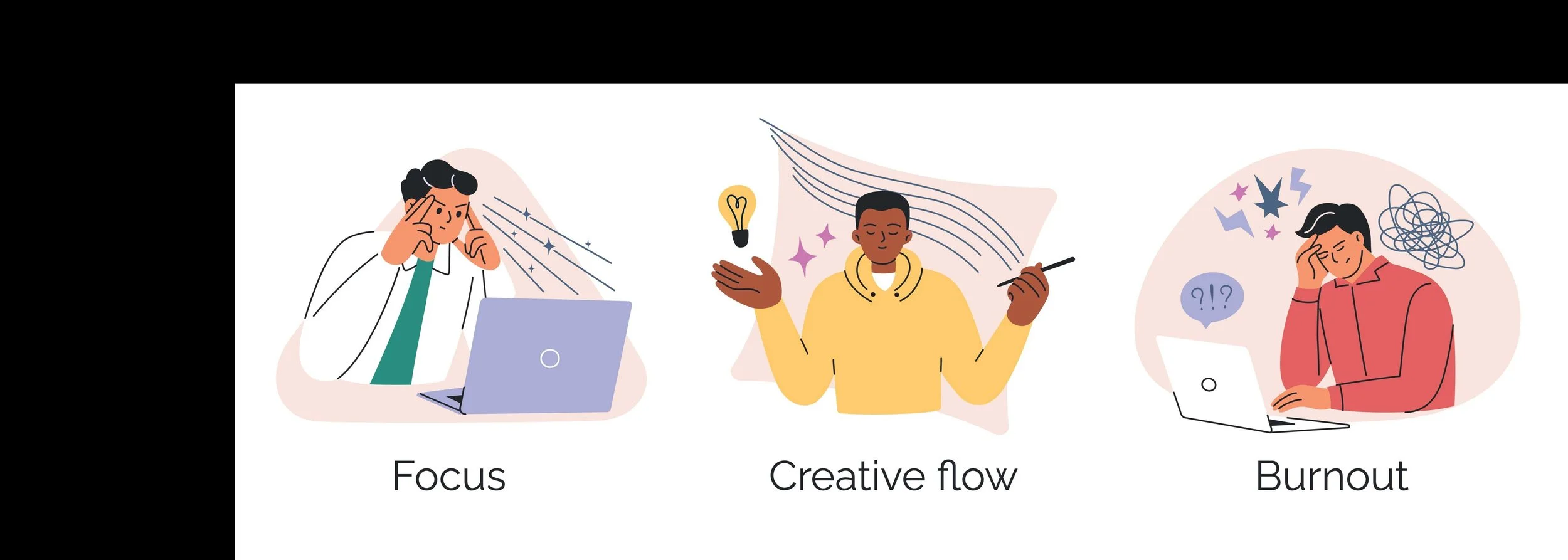
ADHD
Attention-Deficit/Hyperactivity Disorder (ADHD) is a common brain-based condition that affects how a person focuses, manages impulses, and controls activity levels. It is not laziness, a lack of intelligence, or bad parenting. ADHD happens because of differences in how the brain develops and uses certain chemicals that help with attention and self-control. People with ADHD may have trouble staying focused, finishing tasks, sitting still, remembering things, or thinking before acting. Some are mostly inattentive, some are more hyperactive and impulsive, and many have a combination of both.
ADHD can affect children, teens, and adults of any gender or background. While it is often diagnosed in childhood, many people are not diagnosed until adulthood, especially those who mainly struggle with attention rather than hyperactivity. It often runs in families, so genetics can play a role. ADHD can look different from person to person, and many people with ADHD also have strengths like creativity, empathy, energy, and the ability to deeply focus on things they care about.
Treatment for ADHD is about support, not “fixing” a person. Many people benefit from medication, including stimulants such as Adderall or Ritalin, or non-stimulant options like Strattera. Therapy, especially behavioral strategies or cognitive behavioral therapy (CBT), can help build practical skills for organization, time management, and emotional regulation. Healthy routines, regular sleep, exercise, and structured environments also make a meaningful difference. ADHD is not something that simply goes away, but with understanding and the right support, people with ADHD can thrive and live full, successful lives.
ADHD Treatment at Turning Point Psychiatry
All Ages.
Turning Point Psychiatry provides compassionate, individualized care for individuals living with ADHD. The practice approaches ADHD as a neurodevelopmental condition—not a character flaw—and emphasizes understanding each person’s unique strengths, challenges, and life experiences. Clinicians take time to conduct thorough evaluations that include developmental history, academic or occupational patterns, emotional functioning, and family history. Because ADHD often has a genetic component, providers carefully explore family patterns while helping reduce shame and self-blame through education and support.
Compassionate Care.
Turning Point Psychiatry develops personalized treatment plans that may include medication management when appropriate. Stimulant medications such as Adderall or Ritalin, as well as non-stimulant options like Strattera, are considered based on each patient’s needs, medical history, and preferences. Providers discuss benefits and potential side effects openly and monitor progress closely, making thoughtful adjustments to optimize outcomes.
Whole Health Evaluation
In addition to medication, Turning Point Psychiatry recognizes the important roles of nutrition and lifestyle in supporting brain health. While no single diet cures ADHD, clinicians encourage balanced nutrition, adequate protein intake, stable blood sugar, proper hydration, regular sleep, and consistent physical activity. Recommendations are realistic, supportive, and tailored to the individual rather than restrictive or judgmental.
Coping Strategies
Cognitive and behavioral therapies are integral to the practice’s approach. Cognitive Behavioral Therapy (CBT) helps patients identify unhelpful thought patterns, strengthen executive functioning skills, and improve emotional regulation. Behavioral strategies focus on practical tools such as structured routines, task breakdown, visual reminders, time management systems, and positive reinforcement. When appropriate, parent guidance, school collaboration, and workplace strategies are incorporated to create environments that promote success.
Education for Parents, Help with School Plans, Comprehensive Care
Throughout care, Turning Point Psychiatry emphasizes coping skills and resilience. Patients are supported in developing personalized strategies such as using planners or digital reminders, incorporating movement breaks, practicing mindfulness, utilizing accountability supports, and building self-compassion. By addressing biological, psychological, and environmental factors together, Turning Point Psychiatry aims to help individuals with ADHD not only manage symptoms, but thrive with confidence and clarity.